Find your own pictures again
Create a local Immich timeline for a library that fits the 512GB working drive, starting with a small phone album.
Keep a personal phone-photo library at home / BUILD 07
A local photo library, a short NVMe drive and a small Pi you can understand. Start with one album, then build a backup routine you have actually tried.
An 8GB Pi photo-library assembly with one 512GB drive. Bring supported 64-bit software, an existing network connection and a separate verified backup destination. The selected power adapter has a US plug. Check what you need ↓
Explore 3 DIY project ideas ↓One Amazon selection with the planned quantities. Choose around the equipment you own.
A PIECE OF THE BUILD · PREMIUM
SC1112
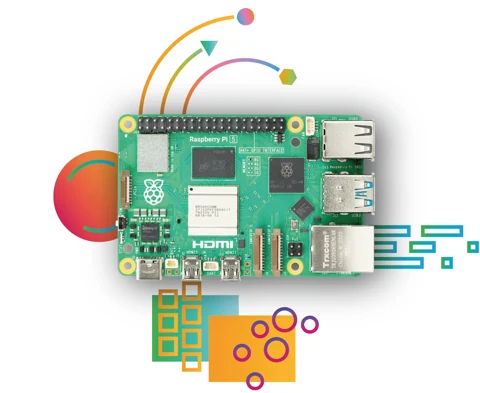
Give Immich a dedicated local ARM64 host with 8GB RAM, matching its current recommended memory capacity.
RAM: 8GB LPDDR4X
View on Amazon paid link · confirm current offerDetails & Header7F checksA PIECE OF THE BUILD
SC1166 / RPI-MD2-HATP
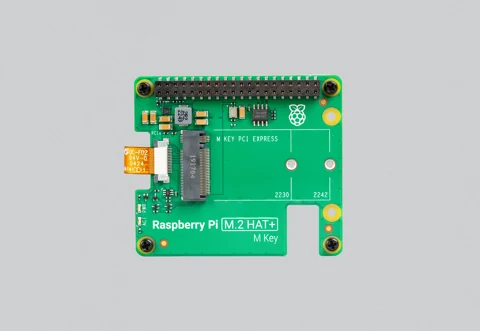
Make the native PCIe-to-NVMe connection with the official Standard HAT and its included ribbon cable and mounting parts.
Form factors: 2230 / 2242 M-key
View on Amazon paid link · confirm current offerDetails & Header7F checksA PIECE OF THE BUILD · PREMIUM
SC1440
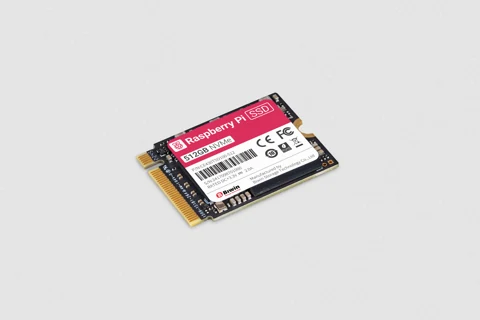
Use a true 2230 M-key NVMe drive that fits the Standard HAT without substituting an incompatible desktop-length SSD.
Capacity: 512GB nominal
View on Amazon paid link · confirm current offerDetails & Header7F checksA PIECE OF THE BUILD
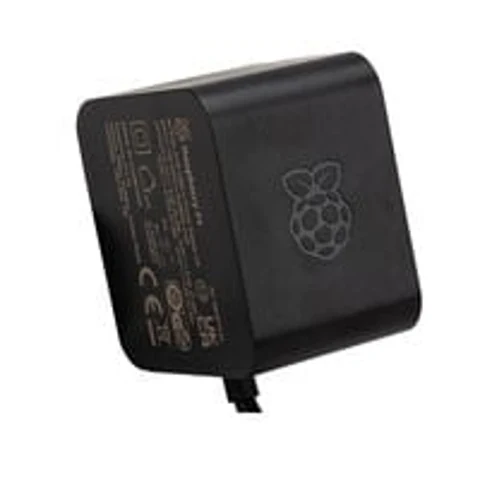
SC1158
Give the Pi and its attached storage the official supply specified for the Pi 5 power budget.
Pi 5 profile: 5.1V / 5A
View on Amazon paid link · confirm current offerDetails & Header7F checksA PIECE OF THE BUILD
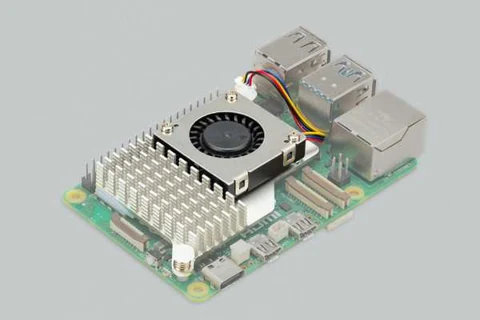
SC1148
Provide the official heatsink and temperature-controlled fan beneath the Standard HAT inside the supported KKSB case.
Heatsink: Single-piece anodised aluminium
View on Amazon paid link · confirm current offerDetails & Header7F checksA PIECE OF THE BUILD
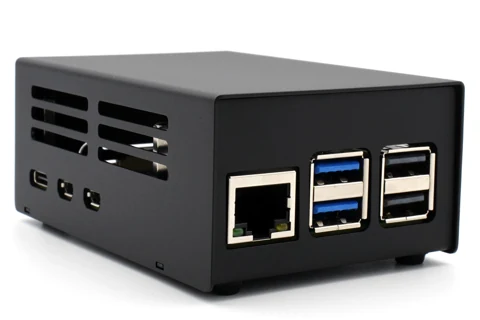
7350001162126
Use a case whose manufacturer explicitly names both the official Raspberry Pi M.2 HAT+ and official Pi 5 cooler as compatible.
Material: Black anodised aluminium
View on Amazon paid link · confirm current offerDetails & Header7F checksCreate a local Immich timeline for a library that fits the 512GB working drive, starting with a small phone album.
Use a genuine short 2230 SSD, official Standard HAT and a case designed to accommodate its cooler.
Keep a separate backup destination, try a test restore and preserve the real NVMe configuration before a later change.
THE REASON TO BUILD IT
A photo library should be easy to return to. Give your phone pictures a local destination with an Immich timeline you can browse from another device at home. This proposed Pi 5 build puts the working library and its database on a short NVMe SSD, with a case, power supply and cooling chosen for that physical stack.
Start with a small test album instead of importing everything at once. Confirm that uploads and browsing work, save the storage configuration and try a separate backup and restore. Header7F helps interpret supplied PCIe identity, link and error evidence when the storage path needs investigation; Immich and your backup tools handle the photos.
IMAGINE WHAT YOU COULD MAKE
Small inventions with a useful purpose.
Choose the idea that earns a place on your bench.
Original DIY concepts inspired by maker builds. You supply the code and validation. Shopping links open in a new tab; Amazon links are paid links.
DIY CONCEPT / 01
Give a small phone-photo album a home on the 512GB short SSD and run its local timeline on the 8GB Pi 5. Upload a few test pictures, browse from a second local device and check that the working library fits before expanding it.
Header7F can help
Header7F Console Compare supplied endpoint capability and negotiated link with the supported Pi 5 Gen2 x1 path; this does not measure photo-upload or indexing speed.
PCI config decoder Inspect the SSD identity and capabilities from a real Linux capture. No photo content is needed.
A proposed Immich setup using supported ARM64 software. Current resource requirements are a planning check, not a performance result. Header7F reads hardware metadata only.
DIY CONCEPT / 02
Fit the official Active Cooler before the HAT, then power the completed stack with the official 5.1V/5A supply. Keep a short record of a successful upload and restart so later storage symptoms have a known working configuration beside them.
Header7F can help
Header7F Console Preserve supplied native SSD and upstream evidence beside your separately recorded firmware, power and cooling configuration. The Console does not measure voltage or temperature.
PCIe AER decoder Explain genuine Linux PCIe errors if they occur during an observed run; absent errors do not establish a power or thermal guarantee.
A power and cooling setup for the proposed appliance. Follow manufacturer assembly guidance; actual temperatures, power events and application results must be observed separately.
DIY CONCEPT / 03
Build the native storage path with the Standard M.2 HAT+ inside the KKSB HAT case. Save the assembly and software version notes, make a separate test backup and restore that small album before making the box responsible for a larger library.
Header7F can help
Keep an assembly baseline Save the actual NVMe enumeration and link context before an installation or firmware change, alongside a separately verified restore record.
Document the physical assembly and separately follow Immich backup/restore instructions. Mounting records and PCIe evidence do not establish photo integrity or restore success.
These projects inspired the approach. The concepts above are Header7F adaptations, not tested reproductions of these builds.
EVERY PIECE HAS A JOB
Six distinct products, quantity one each. This is a proposed assembly, not a tested or turnkey photo server. Reuse owned setup media, network cable and basic tools. Software setup, library sizing and an independent backup destination remain your responsibility. The selected power supply has a US plug; check regional socket fit before buying. Live stock, seller and price are not verified.
A dedicated little home for your library.
The 8GB Pi gives the photo application its own ARM64 computer with built-in Ethernet and Wi-Fi. Its memory capacity matches the current Immich recommendation, leaving the project focused on setup and library size rather than a general-purpose desktop.
Board only. No preinstalled OS, photo library or measured Immich result is supplied.
Before choosing itInstall a supported 64-bit Linux system and Docker Engine with the Compose plugin. Immich currently requires at least 6GB RAM and recommends 8GB; background imports, thumbnail work and machine learning remain workload-dependent.
With Header7FRead the supplied NVMe link →
This is a proposed assembly, not a measured Immich performance result. No AI accelerator is included or required by this parts list.
Manufacturer specifications and selected Amazon identityExact Amazon identity checked 20 October 2026. Check the model, seller, condition, current price and delivery offer for your destination.
Connect the drive that actually fits.
The official Standard HAT provides the Pi PCIe-to-M.2 connection and includes the short ribbon cable and mounting parts. Its 2230/2242 layout leaves room for the official Active Cooler below.
Use only the appropriate header and mounting parts for the KKSB assembly. No separate ribbon or header purchase is required.
Before choosing itUse the supplied ribbon cable and the appropriate included header/spacers. Standard supports 2230/2242 M-key peripherals and accommodates the official Active Cooler. Follow the case assembly guide when choosing mounting hardware.
With Header7FRead the supplied NVMe link →
The supported Pi 5 storage path is Gen2 x1. Do not claim Gen3 drive speed through the Pi or include a separate ribbon cable/header shopping entry.
Manufacturer specifications and selected Amazon identityExact Amazon identity checked 20 October 2026. Check the model, seller, condition, current price and delivery offer for your destination.
Keep the working library on local SSD storage.
The standalone 512GB 2230 drive fits the HAT and gives Immich a local filesystem for its database and working photo files. The short physical format is what makes it appropriate for this stack.
Reserve space for the OS and generated files. This is one working drive, with no redundancy or independent backup.
Before choosing itNeeds the listed HAT and a Unix-compatible local filesystem. Reserve space for the operating system, database, thumbnails and transcodes. Choose a library that fits; keep a separate backup destination outside this six-part build.
With Header7FRead the supplied NVMe link →
512GB is a labelled device capacity, not all usable photo capacity. The SSD is Gen3-compliant but the supported Pi 5 host path remains Gen2 x1. This single drive does not supply redundancy or independent backup.
Manufacturer specifications and selected Amazon identityExact Amazon identity checked 20 October 2026. Check the model, seller, condition, current price and delivery offer for your destination.
Give the Pi its specified power profile.
The official supply offers the 5.1V/5A profile recommended for a Pi 5 with peripherals. Its captive USB-C lead keeps the power connection part of one product.
Exact SC1158 black US-plug model. Confirm local socket fit; do not add a duplicate USB-C lead.
Before choosing itThis exact Amazon SKU is the black US-plug model. Check local socket fit and mains suitability; use an owned suitable regional adapter if required. The USB-C cable is captive and already included.
With Header7FKeep the setup beside the PCIe evidence →
A power-supply listing is not a measured stability result for this assembled system. The product is marketed as 27W; its Pi 5 profile is 5.1V × 5A = 25.5W.
Manufacturer specifications and selected Amazon identityExact Amazon identity checked 20 October 2026. Check the model, seller, condition, current price and delivery offer for your destination.
Make room for the background work.
A temperature-controlled blower and aluminium heatsink are the official cooling option under the Standard HAT. Fit the cooler before closing the stack so imports and indexing have the intended cooling provision.
One attached fan and thermal pads are already included. No claimed temperature, noise or performance result.
Before choosing itInstall before the HAT, follow the official push-pin procedure and connect the dedicated fan header. Thermal pads and the blower are included; do not add a second cooler or fan row.
With Header7FKeep the setup beside the PCIe evidence →
Cooling support is established by manufacturer documentation; no temperature, noise or throughput benchmark is claimed. The manufacturer advises against repeated removal after fitting.
Manufacturer specifications and selected Amazon identityExact Amazon identity checked 20 October 2026. Check the model, seller, condition, current price and delivery offer for your destination.
Give the assembly a place on the shelf.
A compact ventilated aluminium shell protects the Pi and exposes its ports and power button. KKSB specifically names the official Standard M.2 HAT+ and Pi 5 cooler as compatible.
Enclosure only. Contextual boards and cooling parts in reference photos are not supplied by the case or additional shopping entries.
Before choosing itFollow KKSB assembly instructions and use the appropriate included mounting/header parts; do not stack duplicate headers. The case and HAT include some incidental mounting parts, but none is a separate shopping entry.
With Header7FKeep the setup beside the PCIe evidence →
This is the enclosure only. The Pi board, HAT, SSD and Active Cooler seen in some manufacturer assembly images are separate listed products. No second fan or cooler is included.
Manufacturer specifications and selected Amazon identityExact Amazon identity checked 20 October 2026. Check the model, seller, condition, current price and delivery offer for your destination.
YOUR FIRST USEFUL RESULT
Upload a small test album from one phone, browse its timeline on another local device and restore a separate test backup.
Fit the official cooler, install the 2230 SSD on the Standard HAT and follow the KKSB mounting instructions using only the necessary included header and fasteners.
Install a supported 64-bit Linux environment and Docker Compose, place the database and working library on local NVMe, then upload a small test album.
Check actual NVMe enumeration and link evidence, record firmware/storage configuration, then make and restore an independent test backup before scaling the library.
Compare supplied native NVMe speed and width with the supported Pi 5 Gen2 x1 path. Photo indexing and backup integrity are separate checks.
A CONSIDERED PURCHASE
A six-part proposed Pi 5 appliance for a personal library that fits a 512GB working drive. Software setup and an independent backup destination are still required.
They provide the core computer, native SSD path, power, cooling and enclosure. You still need setup media or another supported imaging method, a home network, supported 64-bit Linux, Docker Compose, Immich configuration and an independent backup destination.
The official Standard M.2 HAT+ accepts 2230 and 2242 devices. The selected standalone 512GB SSD is 2230. A 2280 desktop drive does not fit this HAT.
Current Immich documentation supports ARM64, requires at least 6GB RAM and recommends 8GB. The board meets that resource recommendation. Large initial imports, machine-learning jobs and video work still depend on the workload; no speed or capacity benchmark for this exact assembly is claimed.
No. The working library is on one SSD. Keep a separate backup destination and follow the current Immich backup and restore instructions for both files and database.
No. Immich provides the photo application. Header7F reads supplied hardware evidence such as the NVMe identity, negotiated PCIe link and genuine AER messages. It does not inspect photo content, run Immich, measure temperatures or verify backups.
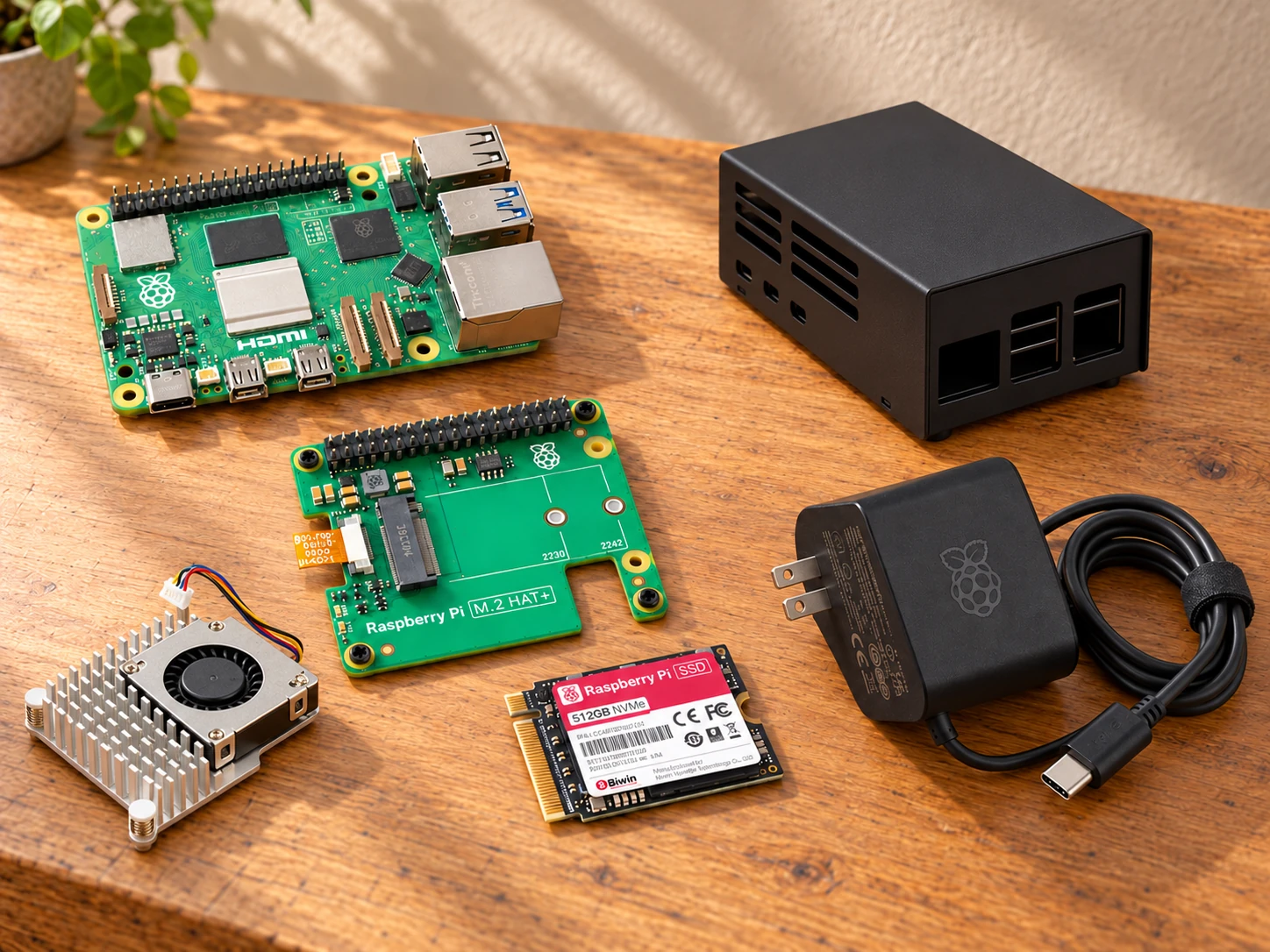
This AI-arranged illustration shows a planned kit using product appearance references. Compare the original photos and the exact listing variant. It does not document an assembled, tested or compatible Header7F lab.
All scene products remain visible and individually linked. Retailer offers and regional delivery can change. Tools interpret supported supplied evidence; handling accessories do not produce diagnostic data.
As an Amazon Associate I earn from qualifying purchases. Amazon links are paid links; check the exact model, seller, price and delivery availability on Amazon.
← Explore the other builds